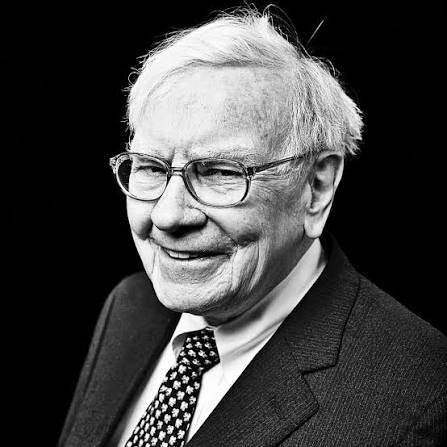
When I heard that Warren Buffett was stepping down as CEO of Berkshire Hathaway, it felt strange. Not shocking—but emotional.
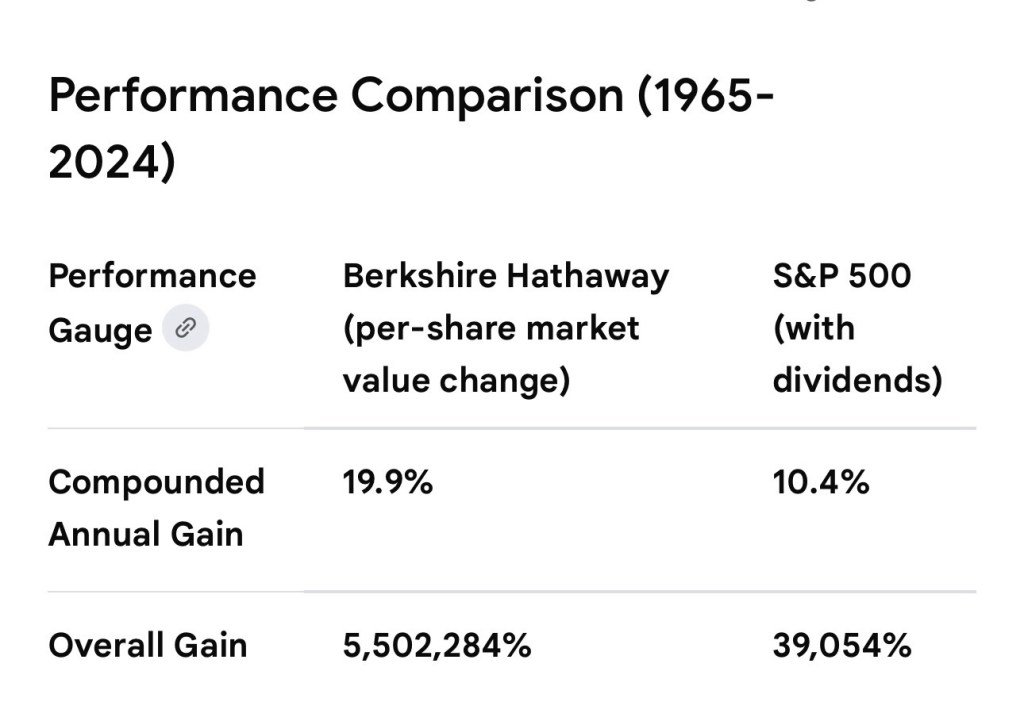
Buffett has been a steady figure in the financial world for as long as I can remember, and even longer. His words, letters, and ideas have really influenced how I see investing and, in some ways, how I view life. Buffett was the CEO of Berkshire Hathaway for 60 years. He started buying shares of the struggling New England textile company at $7.50 each. He used whatever money he could get from it to buy other companies and created the Berkshire Hathaway we know today. Those same shares are now worth $720,932. You heard me right. It’s a record that might never be broken. $10,000 invested with Buffett in 1965 would be worth about $640 million today.
I’ve never met Warren Buffett. But he’s been a truly important teacher for me, shaping my understanding of money and life.
How I Found Buffett
I’ve shared this story quite a few times, even on this blog. When I first began exploring financial independence, I was completely unfamiliar with Buffett. However, I stumbled upon this book in the parking lot of Borders, the bookstore chain that closed down years ago. They were having a clearance sale. To be honest, it was quite a daunting book. “Snowball: Warren Buffett and the Business of Life.” I can tell you, this was the biggest and most daunting book I’ve ever read.
I’m still not sure why I was so captivated by it, but it truly transformed my life from the very first time I read it. It tells the story of a man who had immense wealth, a fantastic reputation, and was almost legendary. Yet, he still lived in a modest house he bought in the ‘50s and drove cars that had been damaged by hail because they were more affordable. So, you have this incredibly wealthy and successful person who, in some ways, lives like someone in the upper middle class.
That contrast fascinated me.
I began by diving into his shareholder letters, then watched interviews, and finally read books that explore his methods. Initially, I imagined he had intricate formulas and hidden tactics.
Instead, I found something much more simplistic:
- Unwavering rationality
- Discipline
- A business-like investment approach
- Insatiable reader
How Buffett Changed the Way I Look at My Own Finances
One of the most unexpected ways Warren Buffett influenced me had nothing to do with stocks.
It had to do with how I organize my own financial life. Every year, Berkshire Hathaway releases its annual report, and for decades Buffett wrote a shareholder letter that was famous for one thing: clarity.
He took massive, complex businesses and boiled them down into what actually mattered. No jargon. No hype. Just the important numbers and the story behind them.
That inspired me to create something similar for myself: a personal annual report. Each year, I type up my own financial “shareholder letter.” And the goal is the same as Buffett’s: CLARITY
- Am I saving more than I did last year?
- Is my net worth moving in the right direction?
- How much did invest?
- How much debt did I reduce?
- Income statements for rental properties
- Cash flow & balance sheet statements
What I Learned the Hard Way
Before Buffett’s ideas really clicked, I thought investing was all about taking action—buying, selling, timing, reacting, and doing something. But the most important lesson I learned is that I didn’t need to start a successful company or have a brilliant idea to build a nice life for myself financially. Using my own earning power and investing in boring long term investments was plenty good enough.
In fact, he famously is quoted as saying:
“you make your money from inactivity.”
Buffett taught me that sometimes the smartest move is doing nothing.
He showed me that wealth isn’t built by being the smartest person in the room—it’s built by staying calm when everyone else is losing their minds.
That lesson didn’t just help my portfolio. It has helped me stay clear eyed when there is chaos. To Make rational moves when irrationality is in full bloom.
I stopped feeling like I had to chase every trend or panic at every downturn. I started thinking in years instead of weeks.
That shift changed everything.
Money Is Often Emotional, Not Always Mathematical
Another important lesson Buffett gave me is that money is often emotional.
Fear and greed do more damage than bad math or shoddy analysis ever could.
When markets fall, it’s uncomfortable. When headlines scream disaster, it’s tempting to run. Buffett showed me that those moments are exactly when character and discipline matters most.
“Be fearful when others are greedy and greedy when others are fearful.”
That line isn’t about being brave. It’s about being steady. Learning that made me a better investor—and a more patient person.
Living Simply on Purpose
What always impressed me most wasn’t Buffett’s returns. It was his lifestyle. He could have had anything. Instead, he chose normal.
That taught me something powerful: Wealth doesn’t need to be loud to be real. You don’t need a mansion to be successful. You don’t need to impress strangers to be secure. Buffett showed that money should serve your life—not the other way around.
That idea fits deeply with what I try to practice and share: financial freedom is peace of mind, an approach and a lifestyle. Not fancy toys.
Why This Moment Matters
Buffett stepping down feels like the closing of a chapter—not just for Berkshire Hathaway, but for a generation of investors who learned from him.
In a world obsessed with shortcuts, hype, and overnight success, Buffett stood for something different: Long-term thinking, careful decisions, integrity & patience
Those values feel rare today. And that’s why they matter more than ever.
My Thank You
I don’t know where my financial thinking would be without Warren Buffett’s influence.
His writing helped me understand: Why investing should be boring, why panic is expensive, why patience compounds and why “enough” is a powerful goal
So as he steps down as CEO, I just want to say thank you. Thank you for showing that wisdom beats noise. That slow beats flashy. And that character matters more than charisma.
Your career is worth celebrating—not just for the wealth you created, but for the millions of people you taught along the way. Buffett once said he wants to be remembered as a teacher. Well sir, mission accomplished. Thank god I stumbled upon that book!

 Build The Gap
Leave a comment