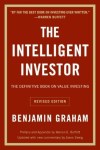
Ben Graham’s The Intelligent Investor is really a book about mindset more than math, teaching that successful investing comes from patience, discipline, and emotional control rather than trying to predict the market. He explains that the stock market behaves like an emotional partner, offering irrational prices driven by fear and excitement, and that investors should only act when those prices make sense based on real value. The core idea is the margin of safety — buying investments for less than they are truly worth to protect yourself from mistakes and bad luck — while remembering that your biggest enemy isn’t the market, but your own emotions. In the end, the book argues that good investing isn’t about clever tricks or hot tips, but about thinking long term, staying rational, and letting time do the work.
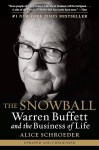
The Snowball shows that Warren Buffett’s success didn’t come from one brilliant moment, but from decades of steady habits, curiosity, and discipline. The book blends his investing life with his personal story, revealing how his obsession with numbers, love of learning, and ability to stay emotionally detached from market swings shaped both his fortune and his character. It also highlights the trade-offs he made — choosing simplicity, long-term thinking, and focus over a more typical lifestyle — and how relationships, mentorship (especially with Ben Graham), and personal values played just as big a role in his success as stock picking. In the end, The Snowball is less about money and more about how small, consistent decisions can compound into an extraordinary life.
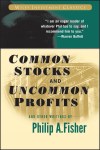
Common Stocks and Uncommon Profits is all about finding great companies and holding onto them for a long time instead of constantly trading in and out of the market. Philip Fisher argues that the real money is made by owning businesses with strong management, innovative products, and the ability to grow for years, not by chasing short-term price movements. He introduces the idea of doing deep “scuttlebutt” research—talking to customers, competitors, and employees to understand a company’s true strengths—and stresses that patience and conviction matter just as much as analysis. In the end, the book teaches that extraordinary results come from owning a few exceptional businesses and letting their long-term growth do the heavy lifting.
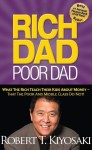
Rich Dad Poor Dad is about changing the way you think about money by focusing on building assets instead of just working for a paycheck. Kiyosaki contrasts the mindset of his “poor dad,” who believed in job security and higher education, with his “rich dad,” who taught him that financial freedom comes from owning businesses and investments that generate cash flow. The book emphasizes that schools don’t teach financial literacy, that fear and comfort keep people trapped in the rat race, and that learning how money really works is the key to long-term independence. At its core, the message is simple: don’t work your whole life for money—learn how to make money work for you.
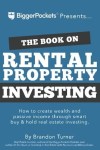
Brandon Turner’s book is basically a step-by-step playbook for getting started with rental real estate without overcomplicating it. He explains how to find good deals, run the numbers, get financing, and manage properties in a way that actually makes sense for normal people—not just pros. A big theme of the book is that success comes from buying smart, building systems, and playing the long game instead of chasing quick wins. Turner also emphasizes mindset, reminding readers that rental properties aren’t passive by default—they take work at first, but over time they can create steady cash flow and long-term wealth if you stay consistent and disciplined.
 Build The Gap